A film is a function from time to a frame.
A
A function from
A function from time
A function from time to a
A function from time to a frame.
You draw with whatever you like. Shaderera asks one thing of the code: the same t always gives the same frame. Everything else in production follows from that.
Every frame is
code you can read.
async render(t, options) { const f = frameAt(t, audio, W / H) const color = matter.render(f, options.frame) drawType(typeCtx, W, H, t, { form: f.pops[0][1].form, particles: PARTICLES, frame: options.frame }) // Two layers, composited by the host: the matter, and the type over it. return [ { color, alpha: 'opaque', name: 'matter' }, { color: typeCanvas, name: 'type' }, ]},shaderera check✓ deterministic: 50 timestamps, two orders, inspect + pixelsshaderera still 21 --sheetout/stills/main-21.000.pngout/stills/main-sheet.pngshaderera render9402 frames in 88.6 s on 4 host(s), nvenchost: node v24.14.1 · nvidia blackwell D3D12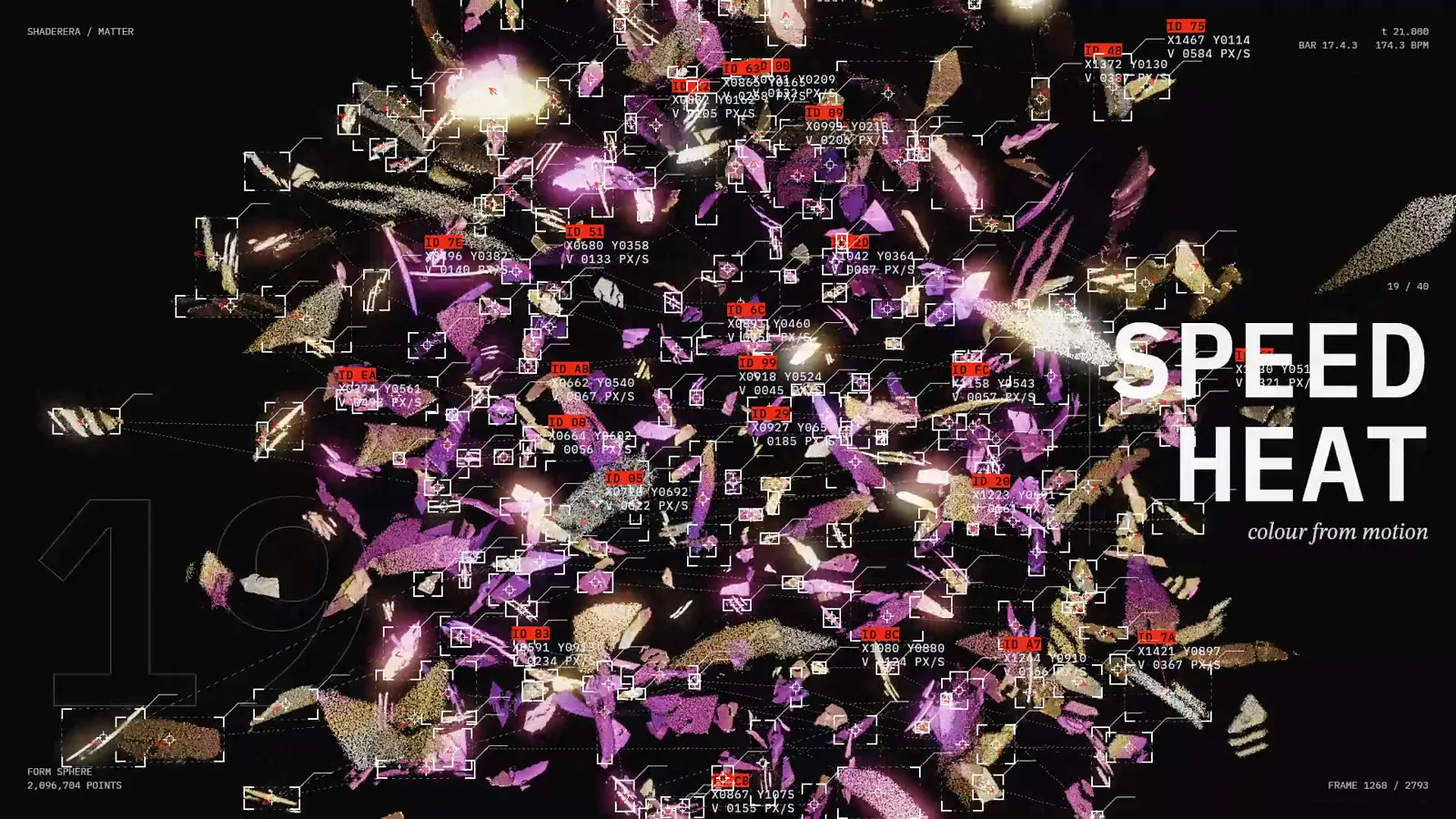
No timeline file, no project format: the film is source code. An agent can read every line, change one, and look at the frame it makes.
Three films, made the way a client project is made: an empty project, a brief, an agent and render(t).
Every film on shaderera.com is free: open one to change its params and export it in your browser, or fork it to keep its code.
Search the films- 01 / 03Opening film
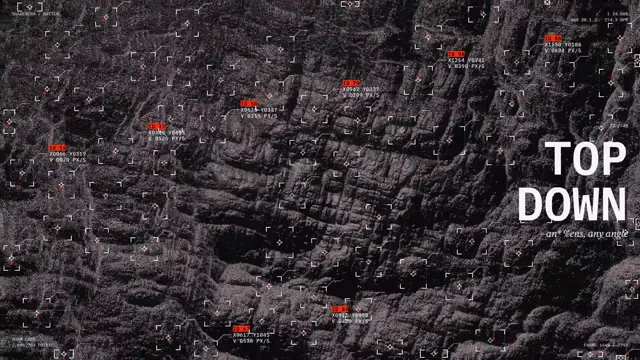
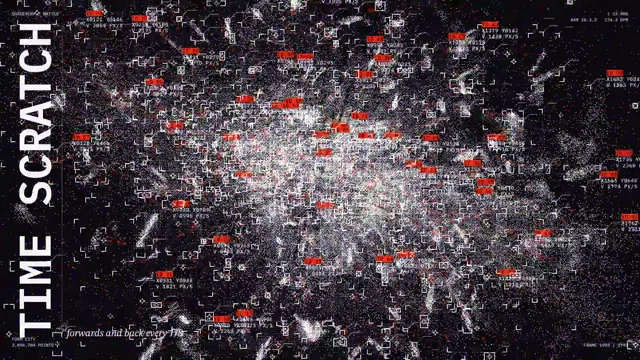
MATTER
One body of particles, no cuts. Every transition is a morph, and the cut lands on the beat because the beat is a function of t.
- Length
- 46.55 s
- Rate
- 60 fps
- Placements
- 16:9 · 9:16 from one render(t)
- Drawn with
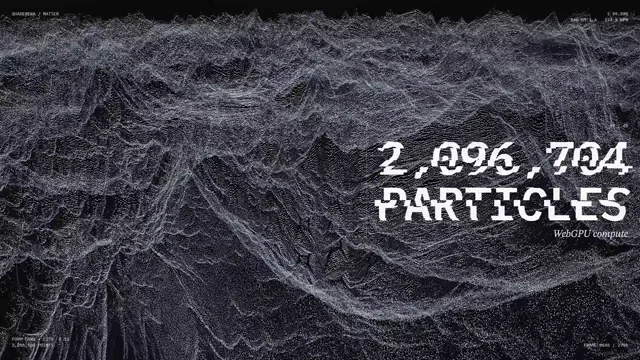
- WebGPU compute, 2M particles
- 02 / 03Lyric video
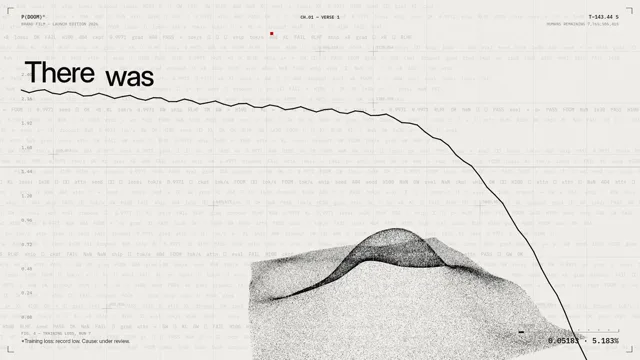
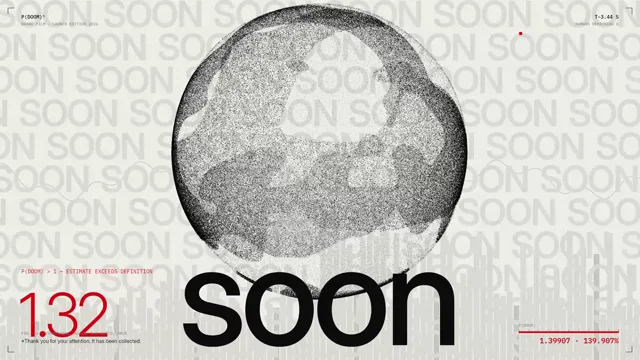
P(DOOM)®
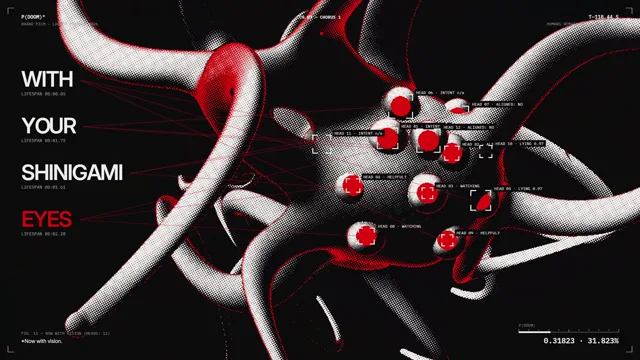
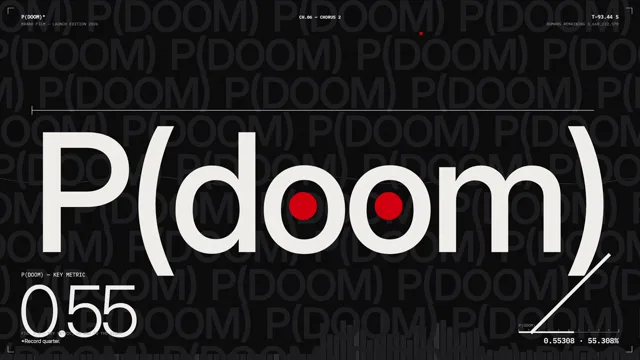
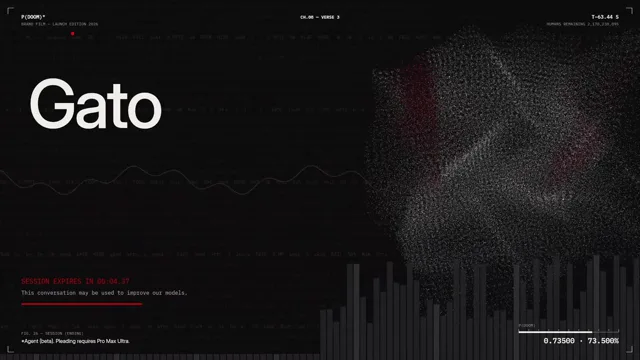
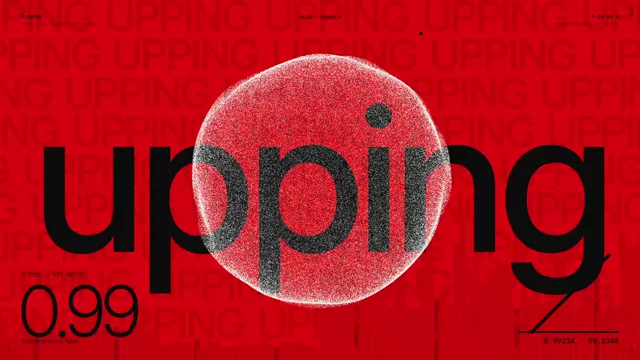
A brand film for the end of the world. Swiss type on paper, words that assemble from particles and leave as dust, every word set on the voice.
- Length
- 2:36.7
- Tempo
- 132 BPM
- Rate
- 60 fps
- Sync
- word times measured from the vocal
- Placements
- 16:9 · 9:16 reel, every scene laid out again for the phone
- Song
- Lyrics: osmarksOpening verse and chorus: MusicPersonOriginal song: made with Udio, November 2024This version: “claude-pop”, made with Suno, posted by deckard (@slimer48484), September 2026
- 03 / 03Product configurator loop
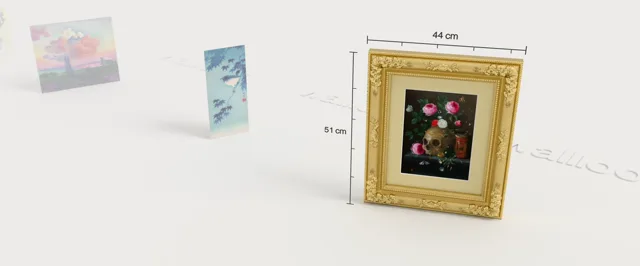
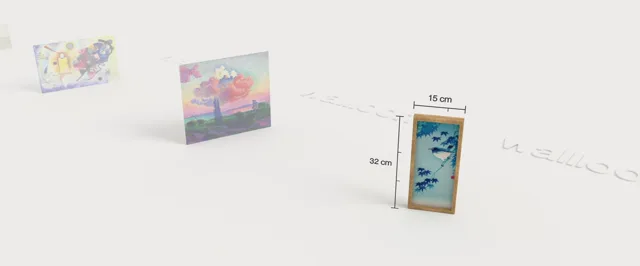
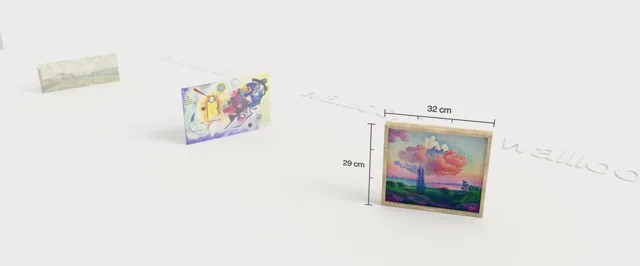
WALLLOOM
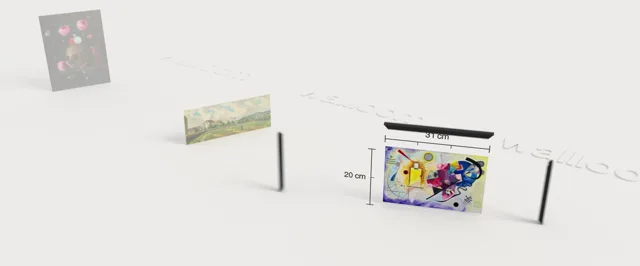
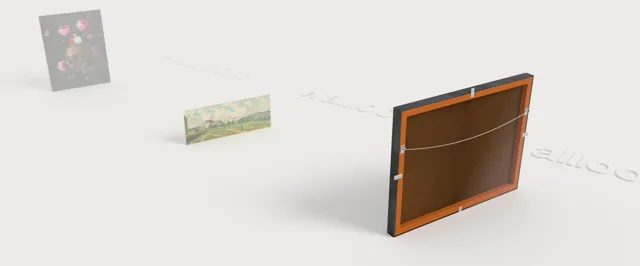
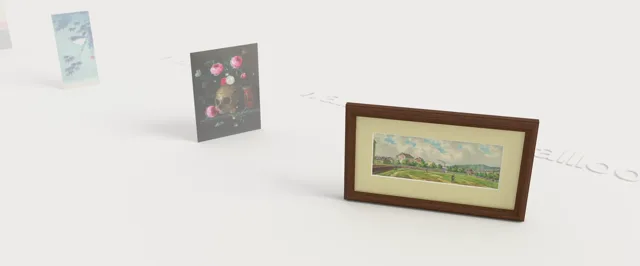
A frame-swap configurator rebuilt in code as a film, as real as the product: pictures, mats, moulding and shadow, one order after another.
- Length
- 44 s loop
- Rate
- 30 fps
- Placements
- web hero, desktop and mobile
- Drawn with
- its own WebGPU renderer
Why an AI agent writing code is the best way to make a film
// The scenes: one typographic set-piece per sung line, drawn by the kit in type.ts. Each scene shows// what its line says as a cold technical figure — a loss curve, an org chart, a status page, a spec// sheet, a memo — with the sung words set into it word by word, and the brand's small print beside// it. Scenes return what they ask of the GPU (ink.ts) and how they leave./** A slow push-in about a point, so nothing is ever still. */const drift = (f: F, k = 0.04, x = W / 2, y = H / 2) => { const s = 1 + k * (f.u / Math.max(0.5, f.dur)) move(f, x, y, s) move(f, -x, -y)}You talk. The agent writes the film.
Describe the film in your own words. The agent writes render(t): every frame becomes code it can read, reason about and change.
- You
- A 15-second 9:16 teaser. The shoe turns once on a dark set, the line lands on the beat, the logo holds at the end.
- Agent
- Written. 900 frames, every one of them drawn by code you can open.
- Brief
- Look
- Exact
- Revise
- Scale
- Prove
- You talk. The agent writes the film. Describe the film in your own words. The agent writes render(t): every frame becomes code it can read, reason about and change. You: A 15-second 9:16 teaser. The shoe turns once on a dark set, the line lands on the beat, the logo holds at the end. Agent: Written. 900 frames, every one of them drawn by code you can open.
- Agents can see what they made. Any moment comes back as a still, a contact sheet or an enlarged detail. The agent judges the frame, not just the code. You: Is the headline readable as it lands? Agent: I looked at 1.5 s to 2.5 s on a contact sheet. It clears the safe area and nothing overlaps it.
- Code doesn't drift. The same t always gives the same frame. A change touches only what you asked for, and nothing re-renders differently behind your back. You: Make the shoe red. Touch nothing else. Agent: One line changed. Everything but the shoe comes out exactly as before, in every frame.
- Notes become edits, not re-dos. Client notes land in minutes. Every revision is saved, and any earlier one is one step away. You: Client says: hold the logo two seconds longer. Agent: Done, and saved as a new revision. The last one is still there if they change their mind.
- One film, every cut. Languages, ratios, headlines and placements are parameters. The agent makes every variant from the same code. You: Now English and Thai, for Reels, YouTube and a DOOH screen. Agent: Six cuts from one film, each checked against its placement spec.
- It checks its own work. Text fit, safe areas, blank frames and delivery specs are measured, so the agent tells you what passed and what it could not verify. You: Anything you're not sure about? Agent: Text, glyphs and specs pass. I can't judge the mix by looking: please listen at 0:08.
Draw with anything.
- Canvas2D
- three.js
- Raw WebGPU
- HTML · CSS · React
- Footage
- Your shaders
No scene format.
No timeline file.
No house style.
Code is the source of truth.
Bring any dependency: a font parser, a physics library, a model. Shaderera core measures everything and fails a film only on errors, or on what you declared in requirements.json.
One film.
Every placement.
- Meta Reels ads9:16
- YouTube 1080p16:9
- Amazon Streaming TV16:9
- Broadcast · EBU R128 · ATSC A/8516:9
- DOOH screen9:16
shaderera deliver makes one job per variant × locale, renders and reviews each, and checks every file against its placement as ffprobe reads it.
Share it.
Fork it.
- 01Share
Share
Sends the film to shaderera.com with its source and a player built on your machine. It plays there on the viewer’s GPU, with its params, and exports in their browser.
npx shaderera share - 02Fork
Fork
Copies a shared film into a new folder as an ordinary project: its code is yours to change, by hand or with your agent.
npx shaderera fork <film> - 03Studio
Studio
Opens a page on shaderera.com that previews, renders and shares the project on your machine. Code and renders stay there until you press Share.
npx shaderera studio
For experts
and their agents.
The easiest way in: copy one prompt into your agent. It checks your machine, installs what is missing, starts a film project and gives the agent eyes.
- 01Install the Claude Code plugin. The skills come with it.
Claude Code
claude plugin marketplace add shaderera/shaderera claude plugin install shaderera@shaderera - 02Any agent with skills.
Codex · Cursor · Gemini CLI · OpenCode
npx skills add shaderera/shaderera
“Make a 15-second 9:16 teaser for our running shoe: the shoe turns once on a dark set, the line Built for the last mile lands on the beat, and the logo holds for the last 2 seconds. Run check, show me a contact sheet, then render.”
- writes render(t) in src/
- runs check after each edit
- looks at stills
- reports what it could not verify by looking
Questions.
- 01What is Shaderera?
- Shaderera is a toolkit for making 2D/3D hybrid video in code. A film is render(t), a function from time to a frame. Shaderera checks that the same t always gives the same frame, renders H.264 or ProRes through ffmpeg, shows any moment as a still or contact sheet, reviews the film, and delivers campaign batches per placement.
- 02Who is Shaderera for?
- Two kinds of people, with one engine. If you want a film now, start from a film on shaderera.com: change what its author made changeable, such as the words, the colours or the video, and export the mp4 in your browser. If you write code, such as motion designers, creative technologists and ad studios, start from an empty project, by hand or with your AI agent: every frame is your code, with no house style. A forkable film shows its source, so you can see how it was made and start from it.
- 03What is a forkable film?
- A film shared with its source. Like every film on shaderera.com, it plays on your own GPU, you change its params and export it in your browser, and Shaderera never uploads a video you put in, but the film's code gets it to play it, so put one in only for films you trust. Its page also shows its code and the fork command, which copies the film into an ordinary project of your own.
- 04What can I draw with?
- Anything: Canvas2D, three.js, raw WebGPU, a DOM page in HTML, CSS and React, footage, or your own shaders. There is no scene format, timeline file or house style. Code is the source of truth, and you can bring any dependency.
- 05How do AI agents use Shaderera?
- Through agent skills (a Claude Code plugin, or npx skills add shaderera/shaderera for Codex, Cursor, Gemini CLI and OpenCode) and an MCP server that renders frames as images, inspects state and traces a pixel back to the line of code that drew it. Every command takes --json and returns one envelope with ok, an exit code, and findings that carry t, file:line and a box.
- 06Why must the same t always give the same frame?
- Because then frames can render in any order, on several hosts at once or across machines, and a render can be checked before it runs and repeated exactly later. Shaderera's check renders each frame in two orders and compares them before anything renders for real.
- 07What formats and placements can it deliver?
- H.264 MP4, ProRes HQ and ProRes 4444, and PNG handoffs. A delivery checks each file, as ffprobe reads it, against the placement spec you bring, for example Meta Reels ads, YouTube 1080p, Amazon Streaming TV, EBU R128 or ATSC A/85 loudness, and DOOH screens.
- 08What do I need to run it?
- Node.js 24 or newer and ffmpeg on the PATH. Chrome is needed only for the browser host (DOM and WebGPU in a page). shaderera doctor reports what your machine has and lacks.
- 09Is Shaderera free?
- Yes. Shaderera is open source under the MIT licence: the engine, the starter project, the plugins and the skills. Use it for anything, including inside a product you sell. Changing and exporting a film on shaderera.com costs nothing either: it runs on your own machine. Whatever you make with it is yours. Only the name and logo are kept: a product may be built on Shaderera, but not called Shaderera.